.

Showing posts with label lettuce and greens. Show all posts

Growing in the Fall Vegetable Garden

Fall vegetable gardening can certainly be interesting in Tennessee!  You never quite know how the weather is going to shape up.  Is it going to frost early?  Late?  Will the temperatures be normal or extra warm like we'll be having this week?  You just never know.  For gardening weather this October we've had a couple light frosts but nothing damaging which means our summer garden still has more to give - and we're going to happily harvest until the end.  With temperatures set to be in the 80's this week with no frost chances we have a good chance of continuing to get summer vegetables through the end of October!  Tennessee is a great place for a vegetable garden!


This morning I picked a few orange bell peppers.  I didn't realize I had this many still coming.  In fact I had given up on the peppers a couple weeks ago thinking the weather was about to turn.  Glad I was wrong!  Peppers are very easy to grow.  Once planted they take some time to produce and we usually don't get much until late July or August. I've had very few pest problems on our peppers.  This year though I had a bunny that apparently had a taste for jalapenos - still haven't quite figured out if it liked them or it just had a very short memory.  Perhaps it thought that the next pepper it tasted might not be so spicy.  I suspect it found out differently!
I still have a whole bunch of Tabasco peppers to harvest although I haven't a clue how I'll use them.  Perhaps the tomatoes I still have on the vine and Tabasco peppers might make friends in some delicious October chili...

I have potatoes growing again.  I didn't intend to grow a fall crop of potatoes - or not consciously at least. I must have left a few potatoes in the ground from spring since now we have about 12 plants growing strong.  I'll cover them through the next couple light frosts then dig and see what we have just after a hard freeze.  They may be small potatoes - but often those are the tastiest!


Pak Choi
The actual fall vegetables I planted are doing well, I grew them from seed in this raised bed.  I've watered only a couple times so far, since we've had some rains.  We have pak choi, two types of lettuce, spinach, kale, and chard.  The other half of this bed still needs planted.  I have several PVC pipes that are curved to use for a row cover over the winter.  Hopefully we can keep the plants actively growing through December and into January.  If nothing else we'll have some great looking plants when spring comes around.

This weekend was beautiful here in Tennessee.  I hope you had a chance to enjoy the outdoors!


Growing Mustard in the Home Vegetable Garden

I'm a huge fan of mustard.  There are few snacks I enjoy more than pretzels dipped in a delicious honey mustard.  I love it on sandwiches and as an ingredient in all sorts of things from chicken dishes to potato salad. Mustard is simply awesome.  That's my opinion anyway.  It's also extremely easy to grow.

A couple weeks ago I planted a row of 'Giant Red' Mustard from seeds in one of my raised beds.  There are several types of mustard which give you various colors depending on the variety.  Giant Red Mustard has the botanical name Brassica juncea which will make a spicy mustard if harvested for the seeds.  Mustard leaves are great to eat and have a sweet, tangy flavor.  The leaves are great in fall garden salads mixed with lettuce, spinach, and kale.  Mustard matures in about 40 days but can be eaten at any point.


Planting Mustard Seed


I planted my row of mustard seed in a raised bed after clearing out the tomato plants this fall.  I made a very slight trench and sprinkled seeds along the trench.  Then I came back and covered with just a small amount of soil.  After a little watering the seeds germinated in about a week.


The Mustard Family (Brassica)


Mustard belongs to the mustard (Brassica) family of vegetables.  Other members of the mustard family include Brussels sprouts, pak choy, cabbage, broccoli, kale, cauliflower, turnips, and kohlrabi.

Mustard is a simple and easy crop to grow.  Do you grow mustard?  For the seed or for the leaves?


Pak Choi and Other Fall Greens

A few weeks ago I planted our fall greens from seed in the vegetable garden.  I planted a mix of kale, chard, lettuce, spinach, pak choi, and Brussels sprouts.  The seedlings are all located in one of my long 10'x3' beds made from scrape lumber. They were orginally meant to be 10'x2' like in this raised bed layout but I altered the size a little. When the days begin to stay a little cooler, without the peaks of 80 degree weather, I'll install PVC pipe for a hoop house to keep my greens growing. Otherwise the greens need little care at the moment except for occasional watering during the dry spells.  Fortunately rain has been fairly frequent compared to normal this fall.  I sowed the seeds fairly thick but I'll harvest some of the younger greens to thin out the bed.


Earlier in the summer I planted a few pak choi (or bak choi) in another raised bed which are doing good.  There is also some self sown lettuce in the same bed that we'll cultivate and harvest as long as we can.  It's been my experience that lettuce sown in the fall will survive each year until spring even if it doesn't put on growth.  Once spring warms up the lettuce has a great head start.  I'll place a couple hoops over this smaller bed as well and cover to encourage growth for a longer period over the winter.


Are you growing fall or winter greens this year?

The Surprise Vegetable Garden

You've seen it before I'm sure.  A surprise plant or two coming up where you would least expect it.  A bird may have moved the seed around, or maybe it was caught can carried along on the wind. But have you ever had a whole garden just appear ready to go?  I have!  Now it's not the perfect fall garden.  It doesn't have everything I would have chosen to plant but it does have several different edibles that we can definitely make use of.  So what is planted in my surprise vegetable garden?  Lettuce, arugula, and cilantro! 

Arugula, lettuce, and cilantro self-sown in the lawn.

The next thing you are probably wondering is how did this surprise crop appear?  A planting by aliens perhaps? Or bigfoot? Maybe Elvis?  Nope as much as I hate to disappoint those who wish to keep Elvis alive, I planted this vegetable patch without even realizing it.  In the spring I gathered the refuse from the garden and piled it up in the center of the yard before I took it all to the back for composting.  I always let my cilantro go to seed for a returning crop the following year so its presence isn't too shocking but apparently the arugula and lettuce also made it to the seed stage.  When I dropped the load in the center of the yard the seed went everywhere.  I have no issues about eating the food from the lawn since our yard is free of chemical pesticides and herbicides.  What is neat about this situation is that the deer so far have left this patch alone.  Apparently deer aren't fans of cilantro, it's good thing I am! 


6 Steps to Prepare for the Winter Vegetable Garden

This year I'm determined to grow more out of my vegetable garden than the typical summer tomato!  In the past I've managed to sustain herbs like cilantro throughout the winter but haven't been determined enough to nurture many vegetables other than spinach throughout the cold months. (It's hard to get psyched up to run out in the cold for garden maintenance!) The spinach I've done in the past usually lasts fine on it's own for a while but my garden could produce much, much more.  I've even had lettuce make it through the winter to produce in the spring but it really wasn't harvestable during the winter months. If we could have fresh garden greens rather than the greens from the store we would not only be saving money but eating healthier too.

Here's what I need to do to get ready for my winter vegetable garden:


    Radish Seedling
  1. Finish cleaning out a few more garden beds. 
  2. Prepare the soil by adding some additional compost and organic fertilizers.
  3. Plant more seed for cool season vegetables.  Lettuce, spinach, and radishes are doing great at the moment.  Our current rain streak is giving me hope for a great crop! I may need to start some vegetables indoors and transplant to the garden.
  4. Prepare a cold frame structure for my vegetable plants to live under. The shelter of a cold frame is the key to keeping my vegetables going through the winter.
  5. Cover my cucumber/melon trellises that can double as garden greenhouses with plastic.  I won't do that until frosts are in the forecast.
  6. Cover when the frosts are on their way!

Are you growing vegetables in your winter garden this year?

Spinach Seedling

August 2011 GROW Project Update

Marigold 'Yellow Splash'
It's the second day of August which means it's time to see how the GROW project seeds have fared since our July Update

'Yellow Splash' Marigolds
As you can see in the picture to the right we're starting to get a few flowers on the 'Yellow Splash' marigolds in the vegetable garden.  I started more seeds a while back but haven't gotten them planted in the garden yet. Here's a look from July:


And here are the same seeds now (in the same container):


They've grown a little but since they are still in a relatively nutrient deficient soil mix they haven't grown much.


'Garden Babies' lettuce
 The 'Garden Babies' lettuce has come a long way since July.  It's too hot to grow lettuce outside but with a couple grow lights indoors you can grow lettuce nearly any time of the year.

From July:

Now:

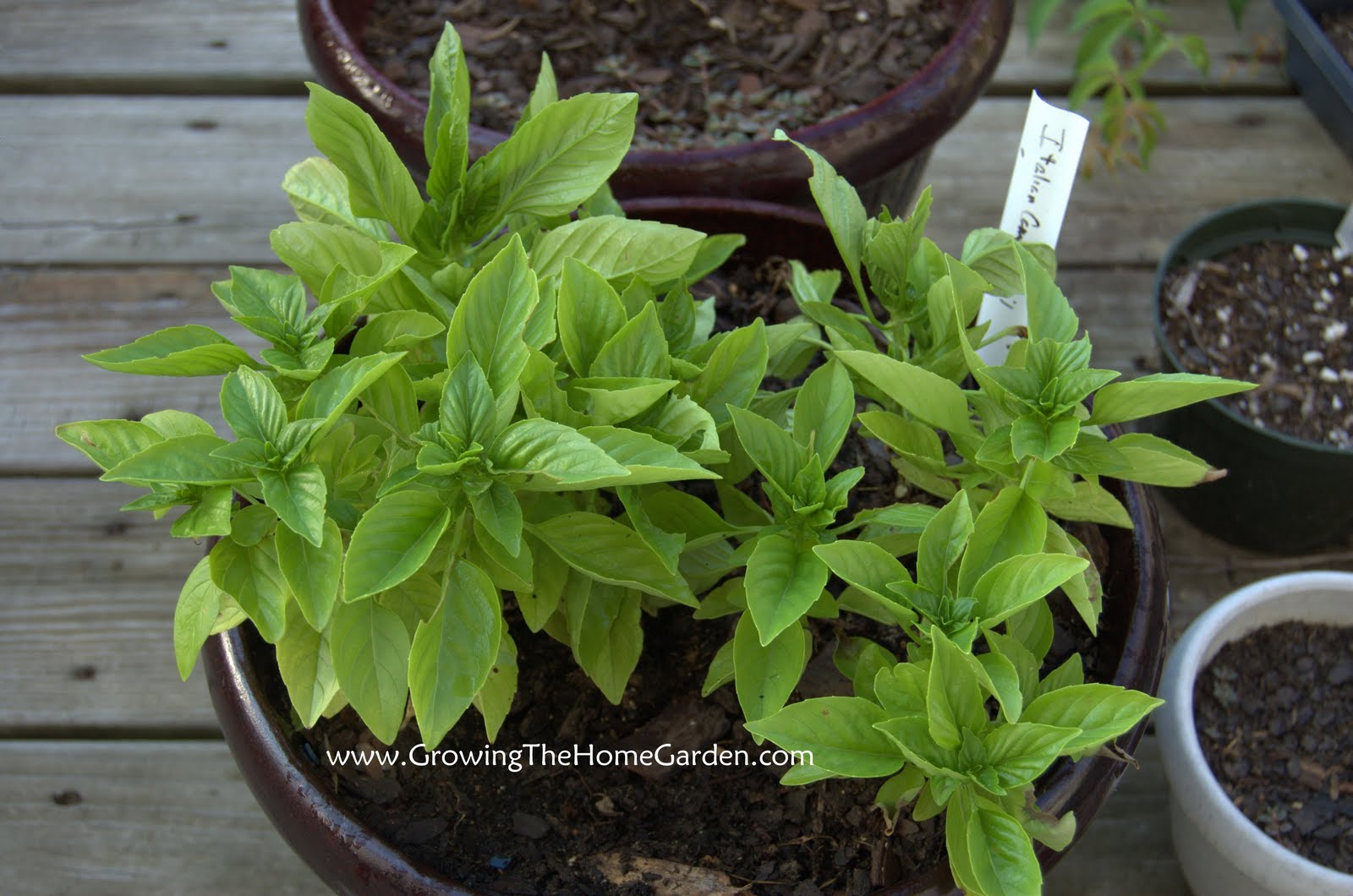
'Italian Cameo' Basil
Basil is certainly one of my favorite herbs to grow. It's easy to care for and is a prolific grower! Two awesome traits of an edible don't you think?

Here's a look from July:


and now:


There will be pesto in our future!

I'm growing with the SeedGROW project. Thanks to Renee's Garden for the seeds. 

Into the Lettuce

Lately around our house we've really been getting into the lettuce from the vegetable garden - in fact quite literally!


This red Romaine lettuce called Rouge d'Hiver is a very tasty selection we made from Baker's Creek. The red coloring is fading as the temperatures are beginning to warm. It won't be long before this heirloom vegetable begins to bolt and I can collect seed from it for use next year. Until then we're eating salads like they're going out of style! I commented last night to my wife how we always seem to eat better during the growing season. The explanation is simple: we grow more of our own food, it's healthier because it is organically grown, it tastes better because it's fresh from the garden, and the vegetables get used more because I see them and don't forget about them in that deep dark place in the refrigerator from where there is no return! (I have a bad habit of buying lettuce then forgetting it exists!)

Do you really need more reasons to grow vegetables in your own backyard?

A Little Green for St. Patrick's Day!

Since today is St. Patrick's Day and tradition dictates that we do all things green and as Irish as possible here are a few things green from my garden!

We have green in the vegetable garden in the form of sugar snap peas, spinach, and lettuce! Other things haven't come up yet for a visit like the asparagus (which I just planted) and the potatoes. Time and the warm weather coming will give our plantings a growth spurt.


I've mulched lightly around the sugar snap peas with grass clippings for an organic fertilizer (approximate NPK: 4-1-2) and for increased water retention in the soil. 


Little 'Tom Thumb' lettuce is coming up! When it's time to harvest the lettuce these little lettuces will be somewhere between 3-4 inches in diameter. It's a cute little lettuce that kids should love. If you need ideas for a vegetable that will encourage your kids to garden 'Tom Thumb' is a good choice. They can sprinkle it (scatter sow) and watch it grow!


Here comes the spinach! It's growing it's first new sets of leaves since the cotyledons (that's a fancy name for the first leaves the seed sprouts to collect energy).


More lettuce seedlings are coming along. These should be one of my favorite lettuces Rouge D'Hiver. It's a red romaine lettuce with a delicious taste. I know, we said today is for green right? Well the seedlings are green - for now!


How about some extremely green grass! How does this happen so easily and without fertilizers? Through good mowing practices, overseeding in the fall, and allowing the grass clippings to break down where they land. In the fall I overseeded with fescue and rye. The rye grass is an annual and will die off in the heat of summer and supply the soil with more nutrients! Of course it also makes holes in the soil where its root system burrow which has an aeration effect the soil over time. The aeration makes the soil easier for the fescue to grow roots which should enable it to get more water from deeper in the soil! Exciting? Well, I think so!


Maybe watching the green grass grow isn't your thing but you have to admit watching things green up and come alive is pretty cool.


And why not take a look at some green in the blue garden shed? We'll start with one of my favorite viburnums a 'Mohawk' Burkwood (Viburnum x burkwoodii). It's a fragrant viburnum that is fairly easy to propagate in the late spring and early summer from greenwood cuttings. It's actually a hybrid of the Korean Spice viburnum (Viburnum carlesii) and Viburnum utile.  I have two in my garden shed that I propagated last year and they are looking fantastic! Follow the link for a picture of our Burkwood Viburnum from last April which I'm hoping will be much more showy this year!


And or some variegated greenery here are some variegated dogwoods! These came from my Tatarian dogwood 'Elegantissima' (Cornus alba). Shrub dogwoods are extremely easy to propagate in the fall. Just take hardwood cuttings from the red stems and stick them in soil in a pot! It just couldn't be much easier.


So there's a bit O' green from St. Patrick's day! Now no pinching - I'm wearing green!

5 Vegetables I Will Always Grow In My Garden! (The Friday Fives)

It probably seems early and with scattered snow it certain feels early but it's never too early to start thinking about the vegetable garden! Store bought vegetables just don't thrill me the way the fresh garden picked varieties do. It makes sense when you consider that garden grown vegetables don't have to be picked days before use just to be shipped across the country.  The other huge advantage is that you know exactly what chemicals have or have not been on your vegetables!  Peace of mind is priceless isn't it?  That's enough with why you should grow vegetables in the backyard, side yard or anywhere in your vicinity - at least for today (I sense another Friday Five post coming on that topic!)  Let's take a look at the five vegetables that I will always plant in our raised beds!
  1. Woodle Orange Tomato
    Let's start the list off right with my all item favorite - tomatoes!  If you consider the garden a meal, the tomatoes are the main course.  We use the tomatoes for pizza sauce, spaghetti sauce, and for canning but by far the most typical use for our tomatoes is between two slices of bread, slathered with mayo, a little bacon, and often a couple delicious slices of turkey!  Of course taking a slice of tomato with mozzarella cheese and dressing it with balsamic vinegar is a delicious appetizer that can run you upward of $8 at some restaurants.  We gardeners can do that much cheaper - and more deliciously!  There are some regular varieties we grow every year like Brandywine, Cherokee Purple, and now Woodle Orange but we always try to add a new variety or two each year.  I stopped planting cherry tomatoes with one exception: Sungold.  Sungolds are one of the tastiest cherry tomatoes around and they're orange too.  I've heard that orange is a popular color around here...
  2. Rouge D'Hiver Romaine Lettuce
  3. Another vegetable we grow every year is Romaine lettuce.  We like the Romaine lettuces as opposed to  head forming lettuces because of the ability to cut and come again!  With Romaines you can pull a few leaves from a few plants, make a salad, and come back a week later for more.  The variety I like the most is Rouge D'Hiver which actually comes back on its own if you let it go to seed, and you should!  The flowers are an attractive addition to the summer garden (so long as the deer don't eat them).  When sowing lettuce I typically scatter sow lettuce a cleared area rather than work in rows. Lettuce seeds are small and don't need much (if any) soil covering them to get growing.
  4. Summer Squash
  5. Yellow Summer Squash is another vegetable we try to grow every year.  We aren't always successful as the pests for cucurbit crops are numerous.   Curcurbits include many of the vining vegetables like cucumbers, squash, pumpkins, and melons.  The biggest pest for our squash is the vine borer.  To prevent them row covers are an option but the bees can't get into the plant area to pollinate them which becomes an issue.  Bt injections reportedly help once an infestation is present but I've never tried it.  Squash bugs are also an issue but can be removed by hand or crushed when you find clusters of eggs under the leaves.  Even with all the issues we still try to grow yellow squash because of its delicious buttery taste! Breaded squash medallions fried in olive oil and good but mostly we just grill them with a coating of olive oil sea salt and pepper.  Are you getting hungry yet?
  6. Cantaloupe
  7. Musk Melons!  That's right I said musk melons!  Otherwise known as cantaloupe, musk melons provide us with our morning fruitiness.  We strive to have some sort of fresh fruit with breakfast each day and during the summer cantaloupe gives us a replacement for store bought fruits (citrus) that we can't find locally.  While we are taking bites out of our cantaloupe, the cantaloupe is taking a bite out of our grocery bill! I always tell my wife that "We cant-a-loupe because we're already married!" Yes I know, that's a very cheesy joke, but that's what you get when you live around here.  Cantaloupes suffer from many of the same pests that the summer squash does so grow multiple plants to ensure a good crop. We grew Sierra Gold, Old Time Tennessee, and Jenny Lind last year.
  8. While there are several other vegetables we grow yearly like spinach, radishes, beets, carrots, and others, slot number 5 belongs to the cucumber.  Cucumbers are yet another cucurbit for this list.  We use them mostly in fresh salads but I really want to try my hand at pickles.  I attempted refrigerator pickles once and they turned out good but I think it's time we made an attempt at some dill or sweet pickles. I grew a pickling cucumber last year but while weeding Bermuda grass accidentally pulled the shallow root system of the cucumber plant out!  I don't advise anyone to do the same.  Needless to say those pickling cucumbers were in a pickle!  I attempted to replace the roots back in the soil but the damage had been done. 

There you have another list for The Friday Fives!  Last week I mentioned the 5 Plants No Garden Should Be Without so go check that out if you haven't already.

What vegetables do you always grow every year?

    That Really Is Lettuce Among Those Weeds!

    Yep, the title says it all. I really have lettuce growing among the weeds in one of my garden beds. I planted it in the fall and despite a few nights of subzero temperatures and several cumulative inches of snow over the course of winter it's still there! The lettuce is small, barely even 3 inches wide but it's there! It's the reddish purple leaves you see hiding among the chickweed and henbit.  I'll bet you want to know what lettuce can withstand that kind of cold and snow here in Tennessee?


    I won't keep it a secret. It's an heirloom lettuce called Rouge D'Hiver that I bought from Baker Creek.  Rouge D'Hiver heirloom lettuce seems to be extremely cold tolerant. I suspect if I had gotten around to putting a cold frame over this bed I would have been munching on backyard garden lettuce all winter.  Once the warmer weather hits and the lettuce starts to grow I'll have some early harvests from the vegetable garden!