.

Showing posts with label berries. Show all posts

What Evergreen Am I?

A little more guessing fun on this first day of winter!

Do you know this evergreen tree with the black berries? I'll give you a hint - I've written about it before! 
No links - that would be too easy! No rhymes either - that would be too cheesy! Oops...


Yesterday's post "What Seeds are We?" were the  seeds of the Tulip poplar - the state tree of Tennessee!

Thanks for guessing Randy and Tina - you both got it right!

A Pretty Seedy Garden

'Autumn Joy' Sedum seed heads persist through winter.
This time of year the flowers are mostly faded and few things have retained enough foliage to be markedly interesting.  But those faded flowers have left something behind - seeds!  Seeds can do a few of very cool things:
  1. They sustain the plant species for the coming year as new plants are born from the seeds of the previous year.
  2. They provide nourishment for all kinds of birds and animals over the long winter season.  (Thankfully here in Tennessee winters are not terribly long.
  3. They provide the gardener something fun and interesting to look at when all else fails!
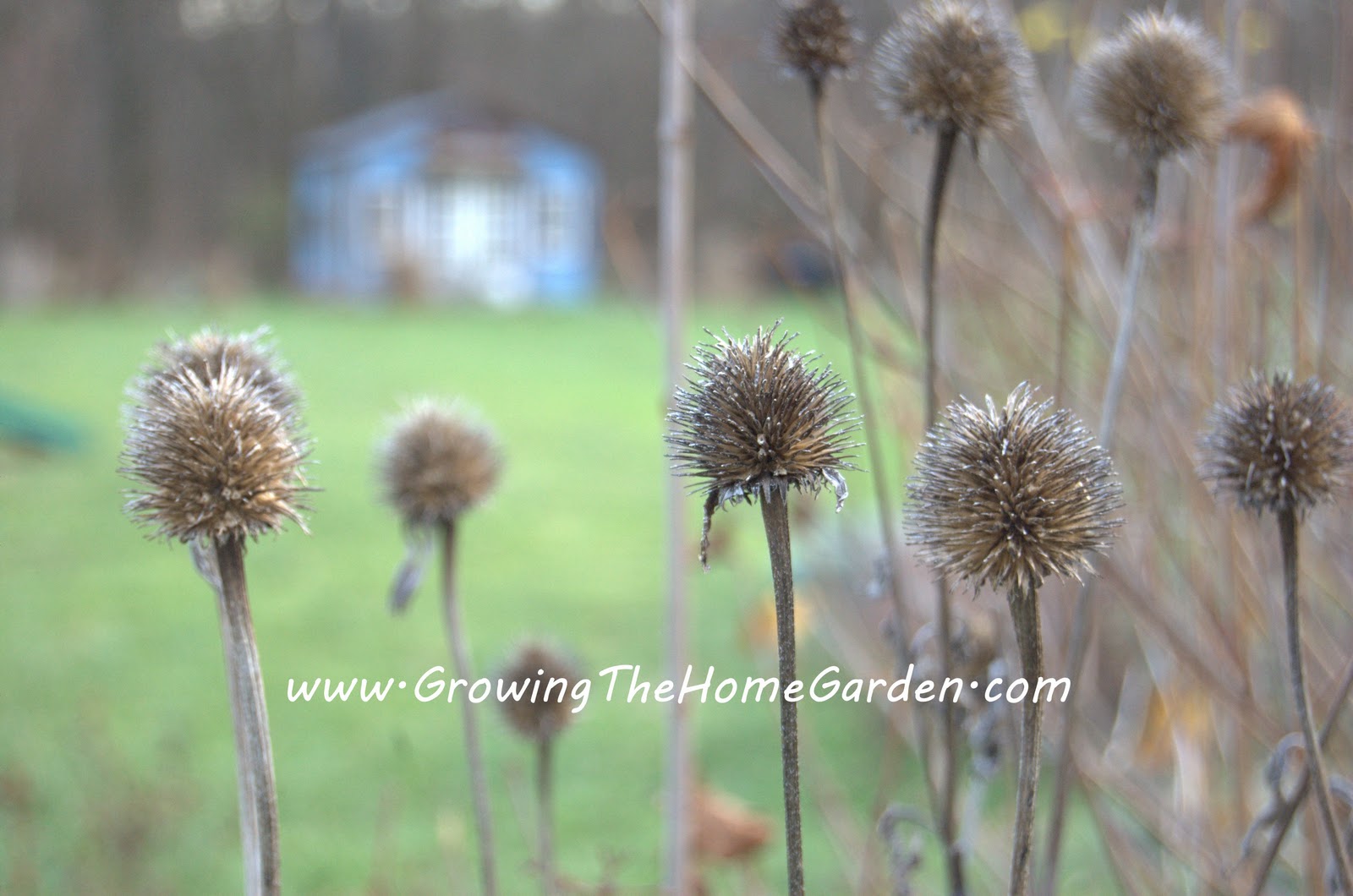
It's because of those three reasons that I leave the seed heads alone at the end of the fall, but of those reasons the second one is my favorite.  As you can see the coneflowers are a favorite of the finches, titmice, and chickadees.  Coneflower seed heads have spiky seeds that have a very "sharp" winter interest look


Crape myrtles produce some neat little seed pods.  These lavender purple crape myrtles produced a bounty of seeds this year.  Maybe I'll be gifted with a few free crape myrtles next year!


Garlic chives look great even after their flowers have faded.  A few seeds are still lingering on the stalks but it's the leftover flower petals that make the show here.  


Oak leaf hydrangea seeds provide winter interest to the corner shade garden.   


These small rudbeckia seeds are sure to produce beautiful yellow flowers next summer.  I can't wait for that!


The berries (which contain the seeds) of this pyracantha produce some valuable nourishment for the birds and provide us with some orange color through the winter. 


  What is your favorite winter seed plant?

Berries for Fall Color! (Fall Color Project 2010)

Fall color is still around but you may have to look beyond the foliage. The berries presently on display are like a natural nod to the holiday season. Check out the berry good post below! (Sorry, I just had to make the pun!)


Chris over at Garden Sense has really enjoyed the fall color this year! This week's fall color post is all about the berries. In many ways the berries are even better than the foliage. They last beyond the color change, they create food for the birds, and the brightly colored berries are extremely festive this time of year! Stop over to Chris's blog and check out the hollies, the beatyberry, the chokeberries, and others!

What Would Thanksgiving Be Without The Nuts?

You know the story. Everyone travels to grandma's house for Thanksgiving. All the family gets together and stuffs their bellies full with turkey, ham, potatoes, numerous sides, and of course the stuffing (oh wait we call that dressing down here in the south ;)). And of course, you know it's true, every family has one or two, and sometimes many more...


nuts!

Massive quantities of acorns!


Hickory nuts!


At Thanksgiving there are always some brilliant decorations like the coral berries which bear a striking resemblance to beautyberry.


Then there is pyracantha completely full of orange berries.


Hollies with bright red berries.


And the uniqueness of the Osage orange. Some brain fruit anyone?


How was your Thanksgiving?


Seeing Red

The foliage is still there on some if the trees and shrubs in our garden and is fading fast. Most of what remains now has a reddish hue in the leaves but in some cases what remains isn't just the leaves.

The 'Shasta' viburnum is showing red in the last few of it's remaining leaves. In my garden it's the first viburnum to drop leaves, the Burkwood and arrowwood viburnums still haven't begun their color changes yet while the snowball viburnum is completely naked.


Another shot of the 'Shasta'.


Here the 'Constellation' dogwood's mottled foliage shows some red hues also. The brown tips are evidence of the dryness we had this summer. I'm still waiting to see that "perfect" gardening season!


This dogwood leaf is on a tree along the back fence line from a Cornus florida dogwood. It blooms white when it blooms. Before too long I need to gather some berries to stratify over the winter and try to grow some dogwood saplings.


The oak leaf hydrangea is turning a dark shade of red - nearly purple.


And the Bradford pear tree (which you should never plant) is nearly on fire with red orange foliage. It also has a fair number of fruit that will be freely sown by the mockingbirds to spread invasive hybrid pears everywhere!


But like I said before the red isn't only in the leaves! The Nandina domestica berries are a bright red.


And the red is also in the bark of these red twig dogwood shrubs. It's one of my favorite plants for winter color. It's easy to propagate more just by sticking 6-8 inch stems in moist soil. As long as the soil is kept moist over the winter they will root. This little one was propagated last winter/spring and placed near the shed. I have a few others that have three foot stems on them.


Are you seeing any red in your garden?

Janet did and wrote about it the other day!


Symbols of Fall in the Garden

All the telltale signs of fall are upon us. The leaves are beginning their changes and one of the first to highlight the season is the sassafras. It's a beautiful fast growing native tree here in Tennessee and as you can see sets up the wild areas of our yard with some fiery color.


But leaves aren't the only signs of fall in the landscape. Flats of pansies are beginning to arrive. Well one flat. I buy pansies when they reach the discount rack simply because I refuse to spend much money on something the deer or rabbits are likely to munch for dinner.  I'm also experimenting with taking a few pansy cuttings to see if I can increase my pansy population.


Of course you know you are well into fall when the goldenrod is almost finished blooming.


And we can't forget about the mums in bloom either. These red ones are bursting with color along our front sidewalk. I have to confess - I never did the periodic trimming you are supposed to do on mums over the season. I just let them go - I know, I'm just completely wild, reckless, and dangerous!


Here they are in their natural surroundings. On the left the basil is still thriving despite the frost the other day. It's a spicy globe basil which seems to hold up better against the cold. The nandina that saved my garage from my lawnmower is on the right along with some densiformis yew. 


The berries are looking good too! The pyracantha berries are turning a bright orange. Unfortunately the birds have already devoured the blue viburnum berries - they sure don't last long!


Any symbols of fall in your neck of the woods?


Why They Call It Beautyberry!

If you every wondered exactly why the beautyberry is called a beautyberry I'll give you two words: "Beauty" and "berry!" These beautiful purple clusters of purple berries are well worth the wait each year for the autumn display. I've added several new beautyberries from cuttings to my garden this year and can't wait until their display matches the first one I planted.


If you haven't planted this one - you're missing out!

A Few Garden Photos for Friday (Photo Post)

Here are few things happening in my garden that are worth a look at through the photos. No real theme for this post just a chance to look at some garden pictures!

Beautyberry Bush
Morning Glory


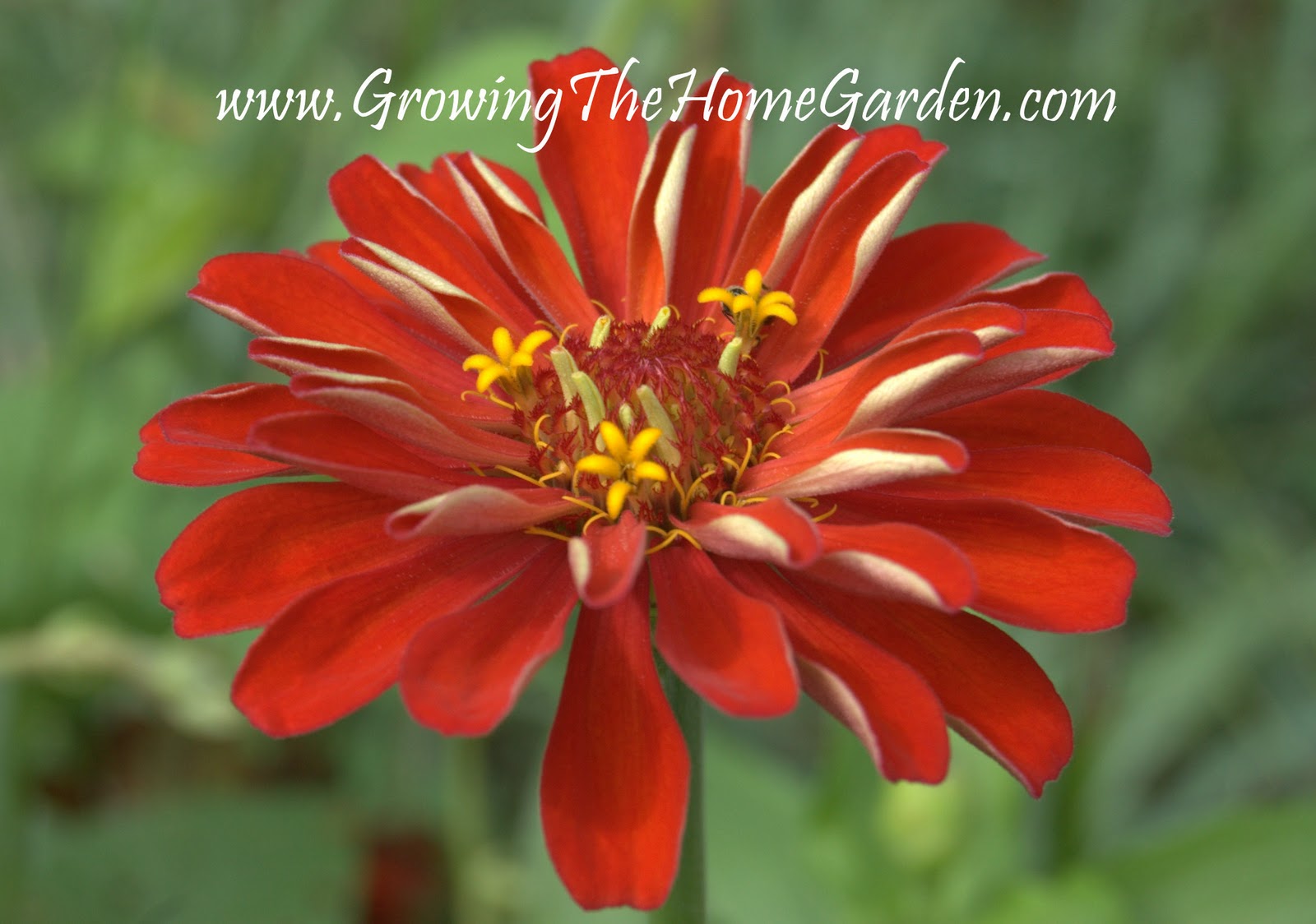
Red Zinnia

Eastern Tiger Swallowtail Butterfly

Beautyberry Berries In Color

One of the precursors to fall is the beautyberry. Much like the forsythias harken the arrival of spring the beautyberries are always reliably beautiful beginning this time of year. The blooms of summer gradually have transformed from small white blossoms into clusters of tiny purple gems.  Our beautyberry is now in its third year in the ground and has reached a size of about 4 feet tall with a 6 foot width. It's partially shaded in the morning but gets nearly full sun through the rest of the day. 


I haven't watered it once after its first year in the ground and seems to enjoy my Tennessee garden quite well! That really shouldn't come as a surprise since Callicarpa americana is a native plant here in the southeast. I'm sure we've all heard how important it is to plant native plants for their adaptability to local weather conditions.


The berries tend to last longer than other berry producing plants - at least in our garden. It's good for the birds to have something that lasts late into the season to eat after other plants have been picked clean. Beautyberry can be easily propagated through cuttings if you want more, and who wouldn't?

These Blue Berries Aren't Blueberries!

The blue berries I'm about to show aren't from any blueberry bush but are from the Arrowwood viburnum!  This viburnum is one of my favorites (but really, I think all viburnums are my favorites).  Viburnum dentatum has white flowers that appear in spring and are a great source of nectar for bees and butterflies.  The glossy green leaves persist until fall when they change color but before that we get these beautiful blue berries.


The birds love the these berries!  It's rare that the berries last more than a week or two as they quickly get gobbled up by the hungry mockingbirds.  This viburnum is a native and provides a valuable food source for wildlife.


I've written about viburnums several times before so I won't go into great detail about them but I will mention that they are fairly easy to propagate either from seed, cuttings or division.  Viburnum dentatum suckers quite a bit and can get large (ours has a 8 foot diameter and stands about 6.5 to 7 feet tall at the moment - its still growing!).  If you want more viburnums without too much trouble dig around the base of the viburnum on a day when the soil is moist and carefully remove a sucker.  That sucker will quickly become a blue berry producing food source for your friendly neighborhood flocks!  

For another viburnum to plant in your garden try a 'Shasta' Doublefile Viburnum!

Harvesting The Vegetable Garden in Mid May

The most exciting time in the garden is the harvest time! It's the time when you get to go to the vegetable garden and taste the goodies the garden has grown. All the hard work that you put into the garden shows up at the harvest stage. It's also where you can measure how good your garden really is! I've been pretty pleased with our garden this year so far. It has a long way to go and many more harvests will come but already this spring we've had quite a few meals at least partially from the garden. Salads have been plentiful with a blend of lettuce, spinach, pak choi, and arugula. The strawberries have been great despite their smallish size and just this week the sugar snap peas have really come along.

Take a look and see!

This container is about 32 oz. and is about half full. So in total we gathered about a pint of delicious strawberries with many more to gather still out in the garden. This is the third strawberry harvest for us this season.


More snap peas are on the way and lots of flowers still forming. Snap peas are enjoyable right out of the garden!


What are you harvesting from your garden?

Inside the Strawberry Patch

OK it's not really a strawberry patch as much as it is a raised bed in the vegetable garden that is overflowing with strawberry plants. A couple years ago I planted the bed with these strawberry plants, I believe there were twelve plants total, and let them grow in the bed. I fertilized after their fruiting was complete with an organic fertilizer and watched as the 12 little strawberry plants became many, many more. Strawberry mother plants create runners that root then become mother plants themselves. They are the ultimate in self-layering plants! In fact I had so many strawberry plants that I've given away over 150 plants this year and can't tell a difference in my garden.  My strawberries are June bearing but I don't know what variety.


I need to cover the strawberries this week with bird netting. The birds are devouring the craneflies right now and are a little distracted but soon they'll notice the bright red berries ripening up in the garden. Then it will be a competition for who gets the strawberries - the birds or Dave's daughters! I can't blame the birds, after all who wouldn't want backyard fresh produce that is chemical free?